Best Citation Checker for Businesses
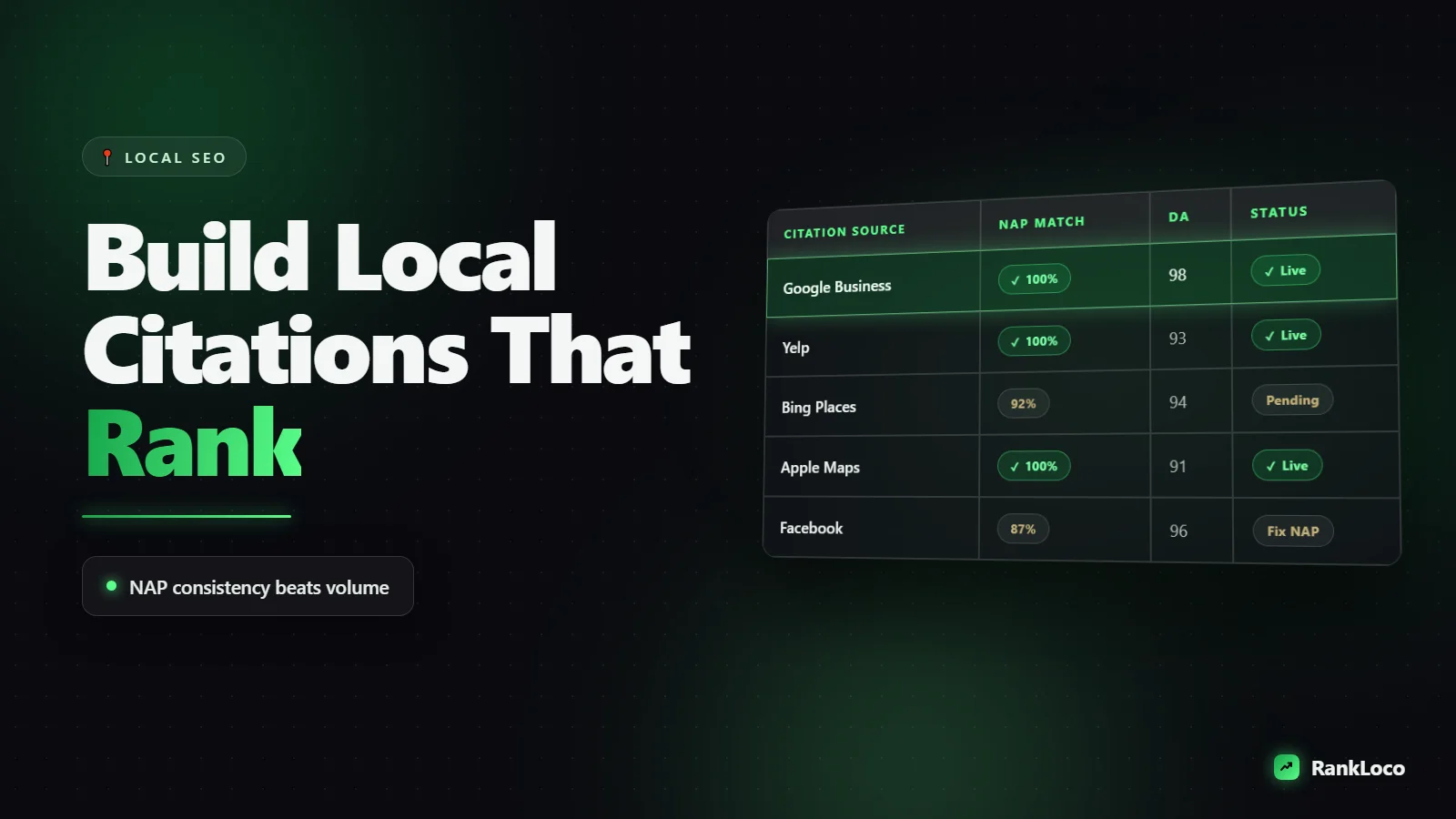
If your business shows one phone number on Google, another on Yelp, and an old address on a random directory you forgot existed, you do not have a citation problem on paper. You have a ranking problem, a trust problem, and sometimes a lost-revenue problem. That is why choosing the best citation checker for businesses is not about finding the prettiest dashboard. It is about finding the fastest way to spot bad data, fix it, and stop bleeding visibility in local search.
A lot of tools claim to monitor listings. Fewer tell you what is actually wrong. Even fewer help you decide what matters first. For a small business owner, that difference matters. For an agency managing 20 or 200 locations, it matters even more.
What the best citation checker for businesses should actually do
A citation checker should answer four questions fast. Where is your business listed, where is your information wrong, how serious is the issue, and what should you fix first?
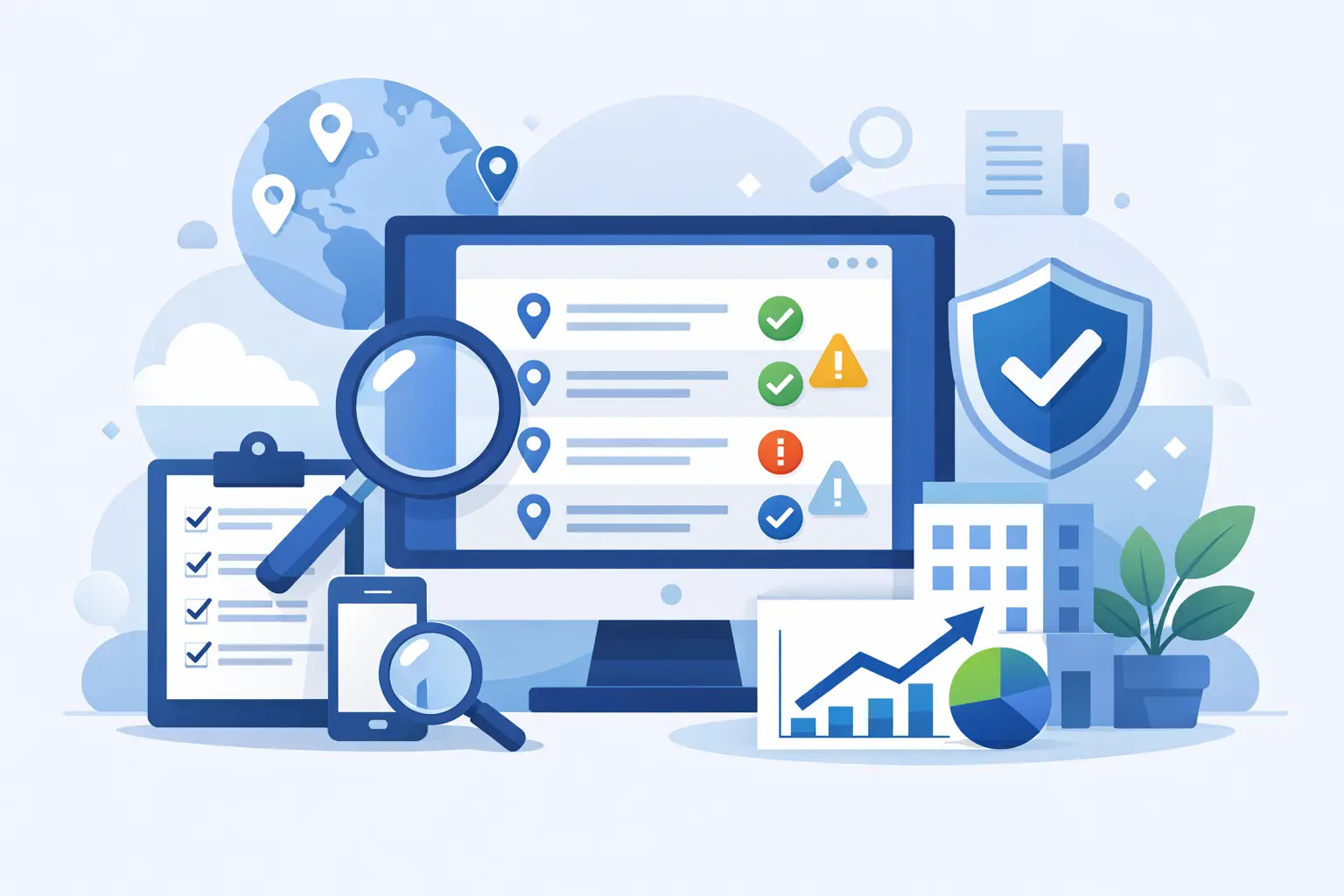
That sounds obvious, but many tools stop at surface-level scans. They show a long list of directories with green check marks and red warnings, then leave you to figure out which errors are hurting your map visibility. That is not enough. A useful checker needs to connect listing accuracy to business impact.
For most local businesses, the core citation data is simple: business name, address, phone number, website, and category details. But simple does not mean easy. A missing suite number, an old tracking number, duplicate listings, inconsistent abbreviations, or the wrong business hours can all create confusion across the web. Google may not punish every small inconsistency, but enough conflicting signals can weaken trust in your location data.
The best tools also understand that citations are only one part of local SEO. If your listings are clean but your Google Business Profile is incomplete, your pages are slow, or your competitors have stronger local signals, fixing citations alone will not move you as much as you hoped. That is where businesses get stuck. They buy a citation tool expecting a ranking jump, then wonder why nothing changed.
Citation checker vs local SEO audit tool
This is the real comparison most businesses should care about.
A citation checker focuses on directory consistency. A local SEO audit tool looks at the bigger picture - Google Business Profile, local rankings, on-page SEO, page speed, backlinks, schema, and competitors, along with citations. If your goal is simply to clean up listings, a citation checker may be enough. If your goal is to rank higher in Google Maps and get more calls, a broader audit usually gives better answers.
That does not mean citation checkers are useless. It means they are often too narrow when used alone. A plumber, dentist, restaurant, or multi-location retailer does not need more data for the sake of data. They need a clear diagnosis of what is suppressing visibility right now.
For that reason, the best citation checker for businesses is often the one that either includes prioritization or sits inside a larger local audit workflow. If a tool finds 40 inconsistent listings but ignores the fact that your main category is wrong on Google Business Profile, it is not helping you make the next best decision.
What to look for before you pay for anything
Speed matters. If a tool takes forever to run, or makes you jump through setup steps before showing anything useful, most small businesses will never use it consistently. Good local SEO tools should get to the point quickly.
Accuracy matters more. Some platforms pull from limited data partners and miss important directories or duplicate listings. Others flag normal formatting differences as serious errors. You want a checker that distinguishes between cosmetic variation and real problems.
Prioritization is where most tools fall apart. Not every citation issue deserves equal attention. A bad phone number on a major platform is a bigger problem than a missing profile on a low-value directory nobody uses. A duplicate Google Business Profile or an old address on Apple Maps can create more damage than ten minor niche-directory gaps. The tool should make that clear.
Usability matters too. If the report reads like it was written for an SEO engineer, most owners will ignore it. Agencies may tolerate complexity, but even they need reports that clients can understand without a long explanation.
Finally, check whether the tool helps with action, not just detection. Can it show exactly where the issue lives? Can it identify duplicates? Can it support bulk work for multiple locations? Can it roll into a broader roadmap instead of ending at a score?
The trade-off most businesses miss
There is no perfect citation checker for every business.
If you are a single-location business with limited time, you probably need simple reporting and clear next steps more than enterprise-level listing management. If you are an agency, franchise, or brand with many locations, you may care more about scalability, white-label reporting, and bulk oversight than ultra-simple summaries.
That is why the right tool depends on how you work. A solo business owner usually wants speed and plain English. An agency may accept a steeper learning curve if it gets stronger reporting and account management. The mistake is buying based on feature volume instead of decision-making value.
A bloated platform can look impressive while slowing you down. On the other hand, a lightweight tool can be too thin if you need deep audits across dozens of listings and locations. It depends on whether you need diagnosis, monitoring, or direct listing management.
Signs a citation checker is not worth your time
If the tool hides useful findings behind vague grades, that is a bad sign. If it shows errors without context, that is another. If it forces a signup before proving any value, you should be skeptical.
You should also question any tool that treats every directory equally. Local SEO is not a scavenger hunt. Your business does not need to chase every possible listing on the internet. It needs clean, trustworthy data in the places that matter most for local search and customer discovery.
Another red flag is when a platform acts like citations are the whole game. They are not. They still matter, especially for consistency and trust, but they rarely operate in isolation. If your competitors outrank you because they have better reviews, stronger local landing pages, and more complete business profiles, a citation-only tool will not tell the full story.
How smart businesses evaluate the best citation checker for businesses
Start with the output, not the feature list. Ask what happens after the scan finishes. Do you get a practical fix-it list? Do you know which issues are urgent? Can you hand the report to a team member and expect them to understand it?
Then look at coverage. Does the checker scan the directories and platforms that matter for your type of business and location footprint? A local restaurant and a home services company may overlap on core citations, but niche listings can vary. The tool should not be blind to that.
Next, look at how it handles duplicates and inconsistency patterns. One incorrect record is annoying. A bad address copied across multiple sources is a real problem. A good tool should help you spot the root issue, not just the symptoms.
Finally, think about whether you need a citation checker or a broader local visibility tool. If your real question is, "Why am I not showing up higher on Google Maps?" then a citations-only report is probably too narrow. A faster path is to use a local SEO audit that checks citations along with the other signals that affect rankings. That is where platforms like RankLoco fit naturally - not as a pile of SEO jargon, but as a fast diagnosis tied to fixes that move visibility.
So what is the best choice?
The best tool is the one that gets you from confusion to action fastest.
For some businesses, that means a dedicated citation checker with strong listing accuracy and duplicate detection. For others, especially small businesses that just want more calls and map visibility, the better choice is a local SEO audit platform that includes citation analysis as part of a bigger ranking picture.
If you are evaluating options, do not ask which tool has the most features. Ask which one tells you exactly what is wrong, what to fix first, and what is likely to move the needle. That is the difference between collecting reports and improving rankings.
Bad citation data is fixable. The bigger risk is wasting time on tools that show problems without giving you a path forward. Pick the one that gives you clarity fast, then get to work on the fixes that actually change what customers see when they search.