Small Business SEO Audit: What to Check
A plumber in Dallas, a dentist in Tampa, and a pizza shop in Columbus can all have the same problem: they do solid work, but Google barely shows them. That is where a small business SEO audit matters. It tells you what is actually holding back your rankings, your map visibility, and the calls or visits that should be coming from local search.
Most small businesses do not need a 90-page SEO report packed with jargon. They need a clear answer to three questions: what is broken, how much it matters, and what to fix first. If your competitors keep showing up above you in Google Maps or local search results, the issue is usually not one big disaster. It is a stack of smaller problems that compound.
What a small business SEO audit should actually reveal
A useful audit is not a random checklist. It should diagnose the specific issues affecting visibility in your market.
For local businesses, that usually starts with your Google Business Profile. If your primary category is off, your service areas are messy, your business hours are incomplete, or your profile lacks recent reviews and photos, you are already giving competitors an edge. Your profile is often the first thing Google uses to decide whether you are relevant in the local map pack.
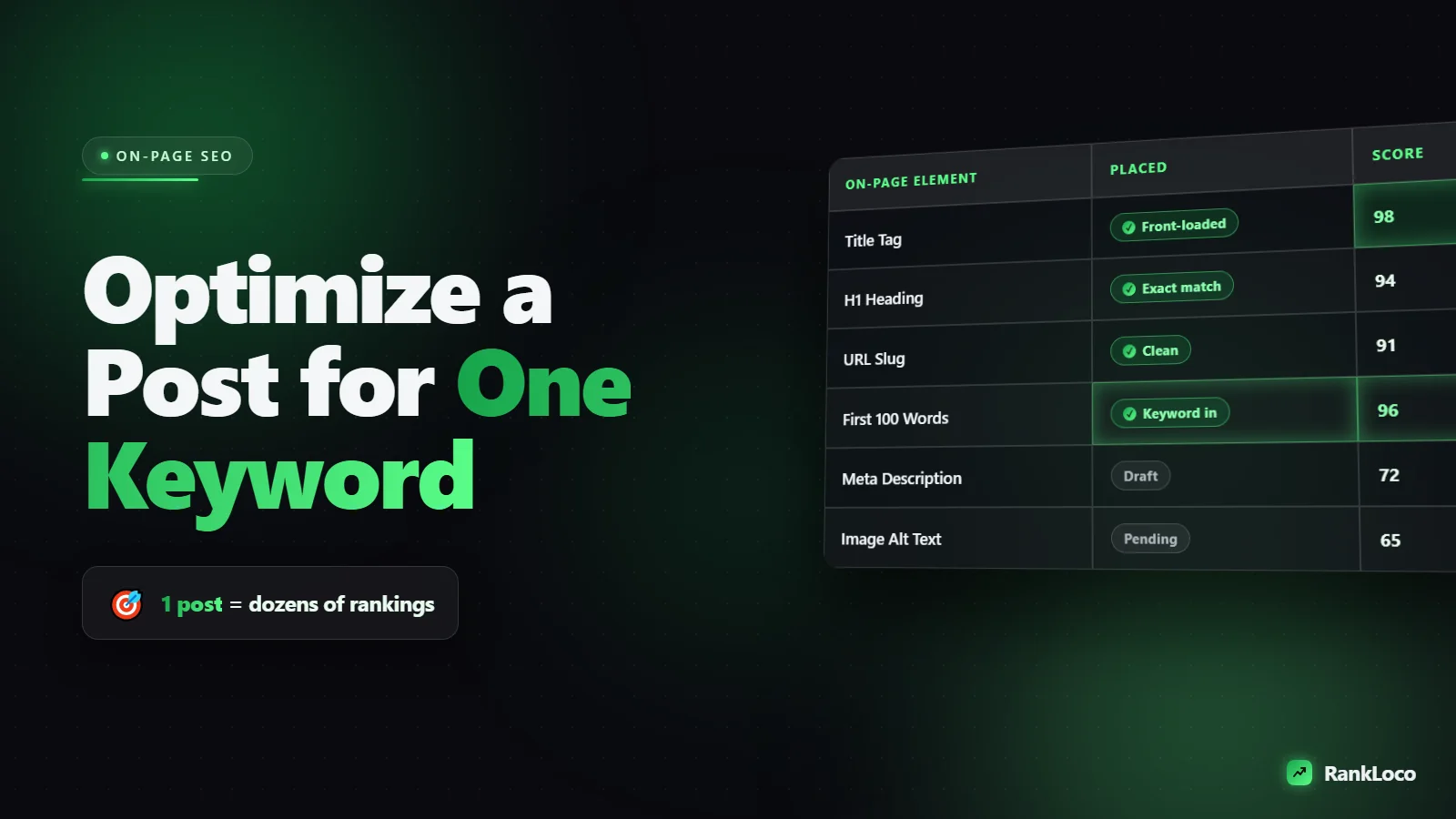
Then there is your website. A lot of business owners assume a decent-looking site is enough. It is not. Your pages need to clearly signal what you do, where you do it, and why your business is relevant to local searches. If your title tags are weak, location pages are thin, or your site loads slowly on mobile, your rankings can stall even if your business is legitimate and trusted offline.
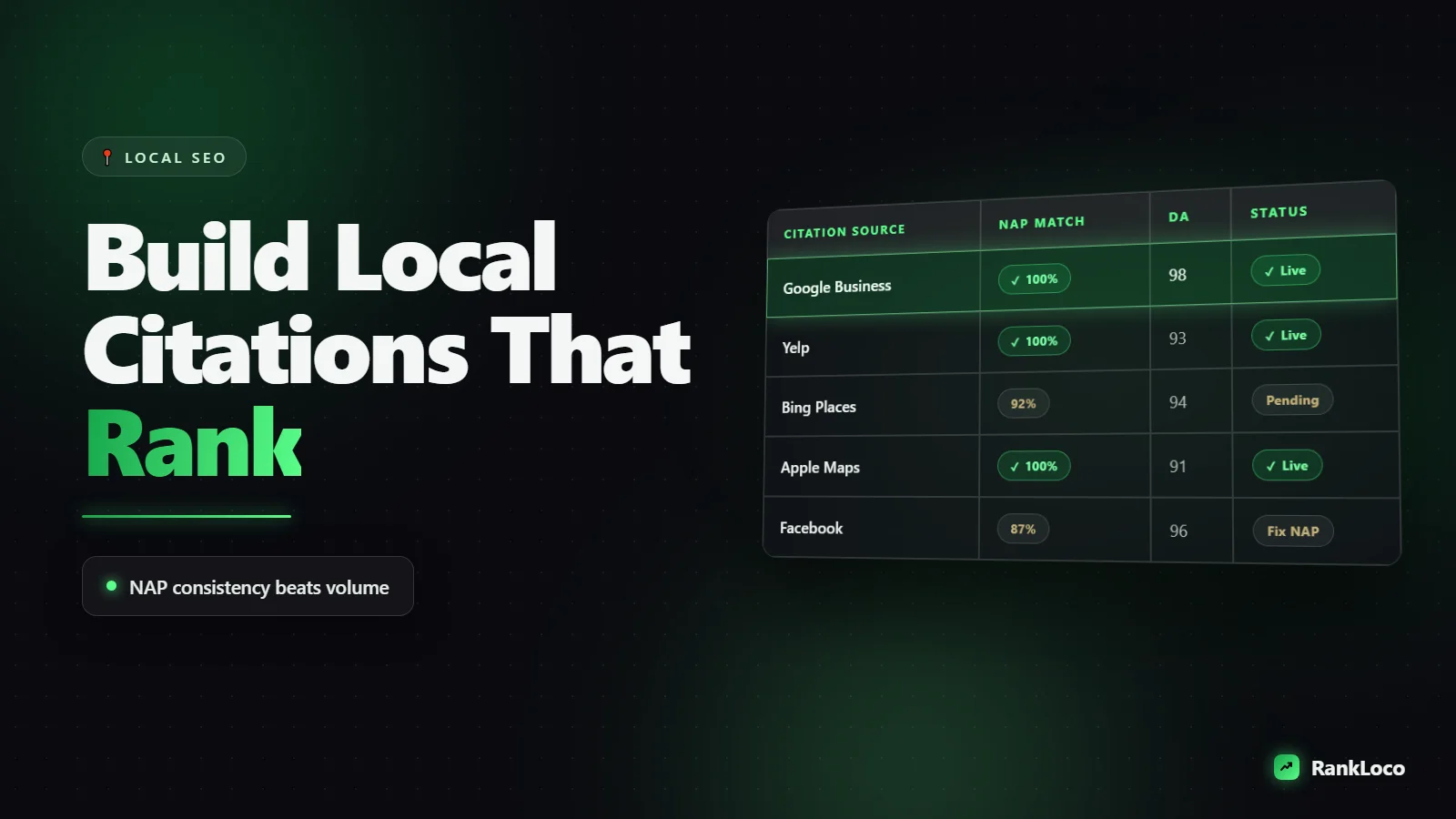
The audit should also show whether your business information is consistent across the web. If your name, address, or phone number appears differently across directories, citations, and platforms, that creates trust issues for search engines. One outdated phone number or old address might not destroy rankings on its own, but a pattern of inconsistency can absolutely weaken local authority.
Why local businesses get stuck in search
Most ranking drops are not mysterious. They come from gaps that go unnoticed because no one is checking the full picture.
Your Google Business Profile is incomplete or under-optimized
This is one of the biggest misses. Small businesses often claim the profile and stop there. They skip services, leave business descriptions generic, ignore Q&A, and never update photos. Some pick broad categories when a more specific option would fit better. Those details affect how often you appear for local intent searches.
Reviews matter here too, but not just the star rating. Review volume, freshness, and keyword relevance can all support visibility. If competitors have a steady stream of recent reviews while yours are sparse or outdated, Google has a clear signal about who looks more active and trusted.
Your website does not support local intent
A homepage that says "quality service you can trust" does nothing for rankings. Google needs signals tied to actual search behavior. That means clear service pages, city or neighborhood relevance where appropriate, strong page titles, useful content, and proper internal structure.
There is a trade-off here. You do not want to stuff city names everywhere or create dozens of low-value location pages. That usually backfires. But if your site barely mentions where you work, what services you offer, or what makes you locally relevant, you are leaving rankings on the table.
Your technical setup is getting in the way
Technical SEO sounds intimidating, but the basics are straightforward. Can Google crawl your pages? Do they load fast enough on mobile? Is schema markup in place? Are there broken pages, duplicate metadata, or indexing issues?
A small business site does not need enterprise-level engineering. It does need a clean foundation. If your pages are slow, your site structure is confusing, or key pages are missing basic technical signals, your content has to work much harder to rank.
Your citations and backlinks are weak
Not every directory matters equally, and not every backlink is worth chasing. But local authority still matters. If your business is missing from trusted local directories, industry platforms, and locally relevant sites, Google has fewer reasons to see you as established.
This is where many businesses waste money. They buy junk links or pay for broad citation blasts without checking accuracy. A smart audit distinguishes between what helps, what is neutral, and what is just noise.
How to run a small business SEO audit without wasting time
The best approach is to audit in priority order, starting with the factors most likely to affect local visibility and lead flow.
Start with the map pack
Search your main services in your city and nearby areas. Check who appears in the local pack. Then compare your Google Business Profile against those top listings. Look at categories, reviews, photos, business descriptions, services, posts, and overall completeness.
This is not about copying competitors line for line. It is about spotting obvious gaps. If the top three businesses all have strong review activity and complete service details while your profile looks half-finished, that is a fixable problem.
Review your core website pages
Look at your homepage, primary service pages, and location pages if you have them. Ask a simple question: if Google landed here cold, would it understand what you do and where you do it within a few seconds?
Check titles, headings, copy depth, mobile usability, and page speed. Make sure each important page has a distinct purpose. If every page sounds the same or targets the same phrase, you create confusion instead of relevance.
Check NAP consistency
Your business name, address, and phone number should match across major listings. That includes directories, social profiles, business databases, and anywhere customers or search engines might find your information.
Some variation is harmless. For example, "St." versus "Street" is usually not a crisis. But different phone numbers, old addresses, duplicate listings, or inconsistent branding should be cleaned up. These are trust leaks, and they add up.
Look at local authority signals
Check whether you have backlinks from relevant local sites, industry associations, chambers of commerce, local news mentions, or partner businesses. You do not need hundreds. A few strong, relevant mentions often matter more than a pile of low-quality links.
Also review your reviews beyond Google. Depending on your industry, third-party review sites can reinforce trust and visibility. What matters is credibility and consistency, not chasing every platform.
Compare against real competitors
A good audit does not judge your site in a vacuum. It measures you against the businesses already winning your searches. If they outrank you with fewer reviews but stronger pages, better categories, or faster sites, that tells you where to focus.
This is where speed matters. You should be able to identify the main issues quickly and move into action. Waiting weeks for a bloated report usually means lost calls in the meantime.
What to fix first after the audit
Not every issue deserves immediate attention. Prioritize based on likely impact.
Start with your Google Business Profile if it is incomplete, inconsistent, or poorly categorized. For many local businesses, that is the fastest path to better map visibility. Then fix your core website pages so your primary services and locations are clearly covered.
After that, clean up citation inconsistencies and address obvious technical problems like slow load times, indexing errors, or broken pages. Backlinks and advanced content strategy matter too, but they usually work better once the foundation is solid.
This is why plain-English auditing beats vague scoring tools. A business owner does not need to hear that their SEO health is 63 out of 100. They need to know that their GBP category is wrong, their service pages are thin, and their phone number is inconsistent across listings.
If you are managing multiple locations or agency clients, the same rule applies. Fast diagnosis is the advantage. A tool like RankLoco works because it cuts straight to the blockers and turns them into a practical fix list instead of burying the signal under dashboards.
The audit is only useful if it leads to action
A small business SEO audit is not a box to check. It is a way to stop guessing. If you depend on Google visibility to drive calls, booked jobs, or store visits, you cannot afford to keep treating rankings like a mystery.
The businesses that gain ground are usually not the ones with the biggest budgets. They are the ones that find the friction, fix the right issues first, and keep their local presence tighter than the competitor down the street. Start there, and Google gets a much clearer reason to show your business when it counts.