How to Get Backlinks for a Local Business Website
To get backlinks for a local business, focus on links that competitors in your city can't easily copy: local citations and directories, chamber and association memberships, event and charity sponsorships, local press coverage, and partnerships with nearby non-competing businesses. Prioritize relevance and locality over raw domain authority. Ten links from real businesses and organizations in your town beat a hundred generic web directories.
Backlinks are still one of the strongest ranking signals for local search, but the game is different from national SEO. You don't need thousands of links. You need the right local links from sources Google already trusts to describe businesses in your area. Here's exactly how to build them.
Why Backlinks Matter Differently for Local Businesses
For a local plumber or dentist, the competition isn't the whole internet. It's the other 20 or 30 businesses ranking for "emergency plumber [city]." That means you can win with a modest, well-targeted link profile that signals two things to Google: your site is trustworthy, and it's genuinely rooted in a specific geographic area.
Links do double duty in local SEO. They pass authority to your website (helping organic rankings) and they often create or reinforce citations (helping your Google Business Profile and map pack rankings). A link from the local newspaper that mentions your name, address, and phone number is both a backlink and a citation. That's why local link building punches above its weight.
If you want the full context on how links fit alongside reviews, proximity, and profile signals, read our local SEO playbook for small businesses first, then come back to execute the tactics below.
Start With Local Citations and Directory Links
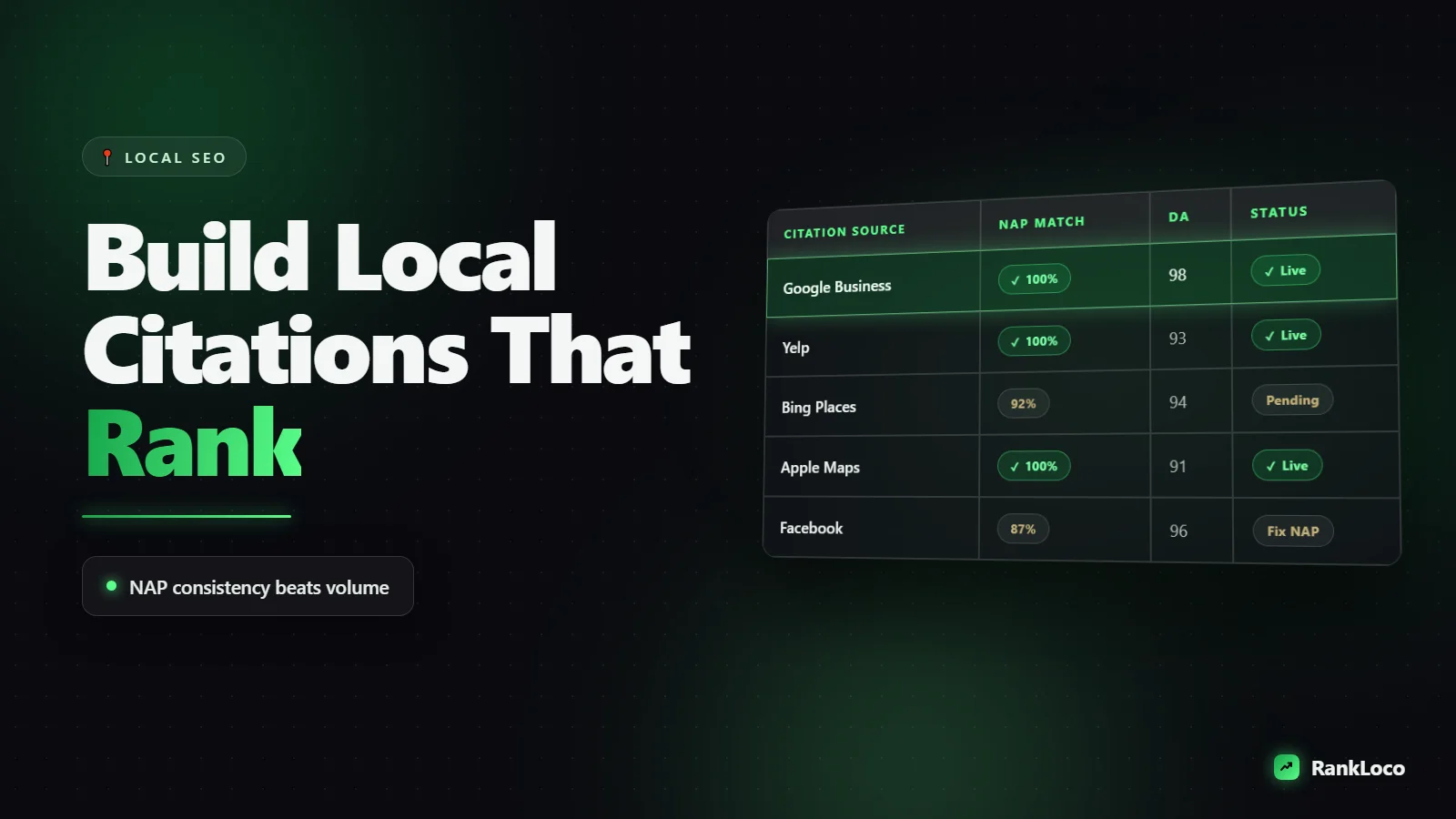
Citations are listings of your business name, address, and phone number (NAP) on other sites. Many of them include a link back to your website. They're the foundation of local link building because they're easy to get and they establish consistency across the web.
The core citations every local business needs
- Google Business Profile (not a link, but the anchor of everything local)
- Bing Places and Apple Business Connect
- Yelp, Facebook, and industry-specific directories (Avvo for lawyers, Houzz for contractors, Healthgrades for medical)
- Data aggregators like Data Axle and Localeze that feed hundreds of smaller directories
- Chamber of commerce and Better Business Bureau profiles
The rule that matters more than volume: keep your NAP identical everywhere. Inconsistent addresses and phone numbers confuse Google and dilute the value. Run a check with a citation checker built for local businesses to find listings with wrong or missing information before you build new ones.
Mine Your Existing Relationships for Easy Links
The fastest local links come from people who already know you. Most business owners skip these because they feel too obvious. Do them first anyway.
- Suppliers and vendors. Many manufacturers and distributors have a "where to buy" or "authorized dealer" page. Ask to be listed with a link.
- Partners and referral sources. The accountant who sends you clients, the contractor you subcontract with, the wedding venue that recommends your catering. Offer to link to each other from a "partners" or "resources" page.
- Professional associations. Trade groups, licensing bodies, and franchisor networks usually have member directories with links.
- Your own family of accounts. Personal LinkedIn, staff bios on other sites, alumni directories. Small, but they add up.
Make a spreadsheet, list every business and organization you interact with, and check whether they have a website page where you could reasonably be listed. You'll find 10 to 20 links in an afternoon.
Sponsor Local Events, Teams, and Charities
Sponsorships are the most reliable way to earn genuinely local links, and they're often cheap. When you sponsor a youth sports team, a 5K, a school fundraiser, or a nonprofit gala, the organizer almost always lists sponsors on their website with a link.
How to find sponsorship link opportunities
- Search Google for [your city] "sponsors", [your city] 5k sponsor, or [your city] charity event sponsor
- Check the sponsor pages of events your competitors already back (a quick backlink lookup on a competitor reveals these)
- Contact local schools, libraries, little leagues, and rescue organizations directly
- Look for scholarship opportunities you can fund; university and community college pages carry strong trust
The links from these sources are relevant, local, and hard for competitors to replicate without spending the same money. That's exactly what you want. Just make sure the cause is real and relevant to your area. Don't buy fake scholarship links from spammy networks.
Earn Local Press and Media Coverage
Local newspapers, city blogs, and regional magazines link to businesses when there's a story worth telling. You don't need to be newsworthy at a national level. Local outlets are hungry for community content.
Angles that reliably earn local press links:
- Opening, expanding, or relocating. "New bakery opens on Main Street" is a classic local story.
- Hiring milestones or local job creation.
- Community involvement: donating supplies, hosting a free workshop, cleaning up a park.
- Seasonal expert commentary. An HVAC company offering "5 ways to cut winter heating bills" is easy to pitch to a local news desk.
- Awards you win or give out (like a "best small business" contest).
Find the reporters who cover local business and email a short, specific pitch. Two sentences on the story and why their readers care beats a formal press release. Also sign up for services like HARO or Qwoted and answer journalist queries in your niche; even one national feature can bring a strong link.
Create Content Worth Linking To Locally
Directory and sponsor links get you started, but linkable content keeps the profile growing. For local businesses, the best linkable assets are hyper-local resources that other sites want to reference.
- Neighborhood or city guides. A moving company can publish "The Complete Guide to Neighborhoods in [City]." Realtors and local blogs will link to it.
- Local data or surveys. "Average home renovation costs in [City] in 2026" earns links from anyone citing the numbers.
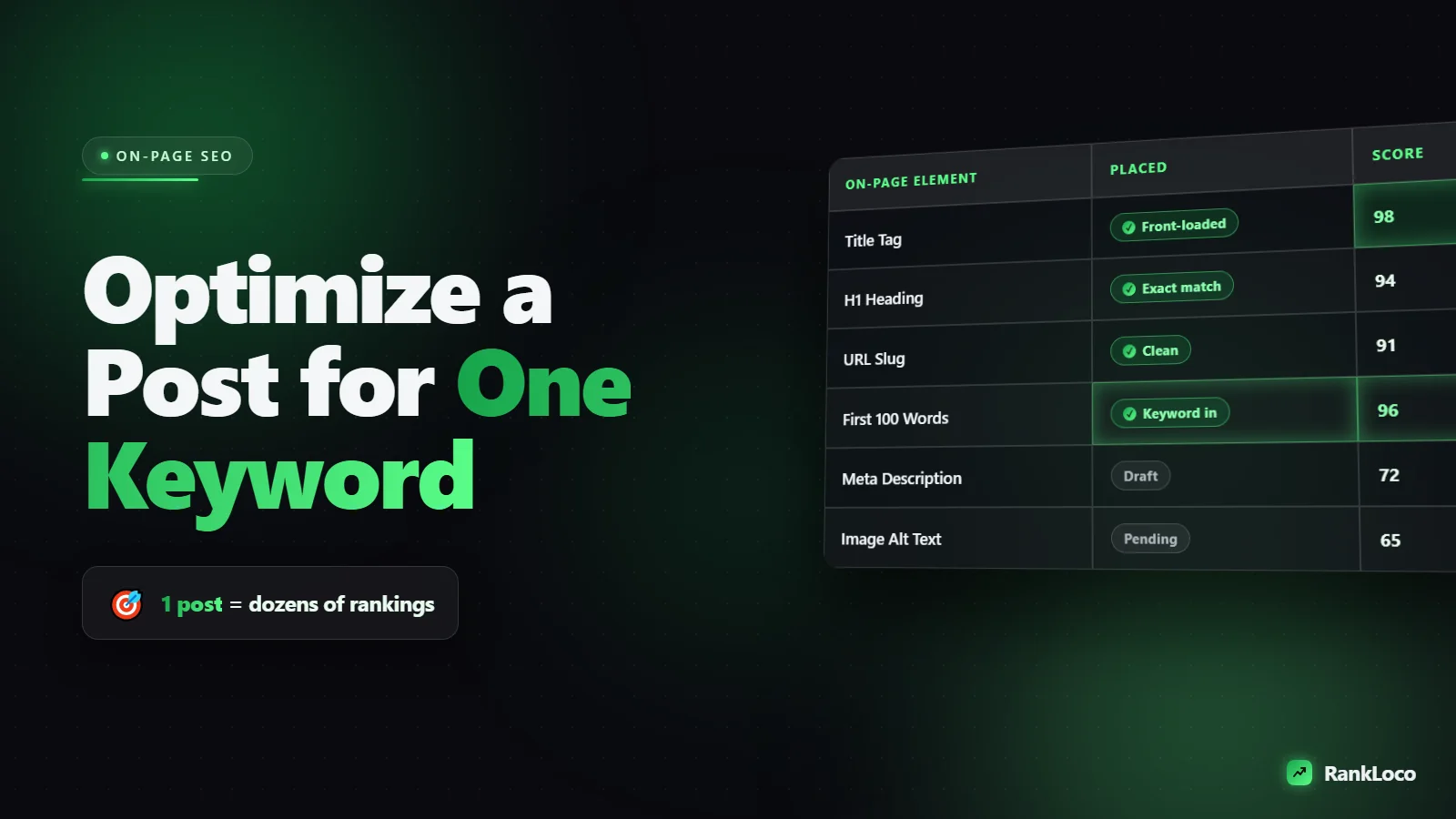
- How-to and cost guides tied to your service, optimized for real search demand. Pair this with our guide on how to optimize a blog post for a target keyword so the page ranks and attracts links at the same time.
- Free tools or calculators relevant to your industry (a mortgage calculator, a paint estimator).
The point is to give other local sites a reason to link that has nothing to do with begging. Useful, specific, local content does that.
Reverse-Engineer Your Competitors' Backlinks
The competitors ranking above you in the map pack and organic results have link profiles you can copy. Pull their backlinks, filter out the junk, and target the same local sources.
- Run a backlink report on the top 3 to 5 competitors for your main keyword.
- Sort by referring domains and flag anything local: directories, sponsorships, associations, news outlets, partner pages.
- Note which links you could realistically earn (a chamber membership, a sponsorship, a supplier listing).
- Work through the list one by one.
This is the highest-ROI research in local link building because it shows you exactly which sources already link to businesses like yours. A structured backlink audit for local businesses also flags toxic links you may need to clean up before they hurt you. For a broader view of what link tactics still hold up, our guide on building backlinks in 2026 covers what to keep doing and what to drop.
A Local Link Building Checklist
| Tactic | Effort | Link value | Do this when |
|---|---|---|---|
| Core citations (Google, Bing, Yelp, aggregators) | Low | Foundation | First, always |
| Chamber and association memberships | Low | Medium-high | Early |
| Supplier and partner links | Low | Medium | Early |
| Event and charity sponsorships | Medium | High | Ongoing |
| Local press and HARO | Medium-high | High | When you have a story |
| Linkable local content | High | High and compounding | Once basics are done |
| Competitor link replication | Medium | High | To find new targets |
Track Your Links and Rankings So You Know What Works
Building links without measuring them is guesswork. Track your referring domains over time, watch which new links correlate with ranking movement, and monitor your target keywords in the map pack and organic results. RankLoco lets you track local rankings and monitor your backlink profile in one place, so you can see whether that sponsorship or press mention actually moved the needle. Check back monthly, prune tactics that produce nothing, and double down on the sources that lift you.
Local link building is slow and unglamorous, but it compounds. A business with 40 real local links, clean citations, and a couple of press mentions will outrank a competitor who ignored links entirely, almost every time. For more strategies, browse our SEO guides or start a free rank tracking and site audit to see where you stand today.
Frequently Asked Questions
How many backlinks does a local business need to rank?
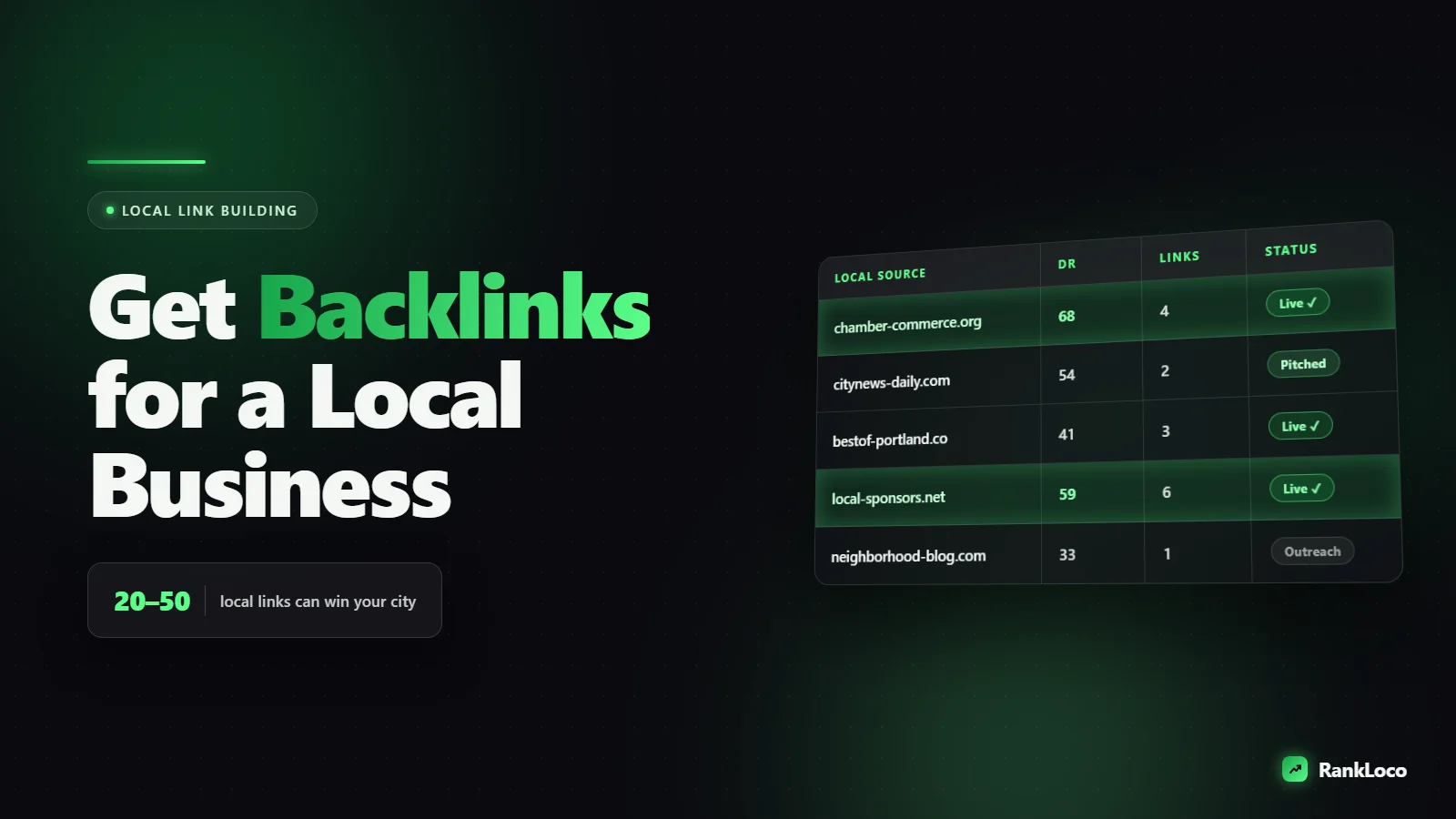
There's no fixed number, but most local businesses can compete with 20 to 50 quality local links rather than hundreds. Relevance and locality matter far more than volume. Check the top 3 competitors for your main keyword, count their referring domains, and aim to match their local link count while beating them on citation consistency and reviews.
Are directory links still worth it for local SEO?
Yes, but be selective. Core directories like Google Business Profile, Bing, Yelp, and industry-specific ones build valuable citations and consistency. Avoid low-quality, spammy directories that list any business for a fee with no editorial standard. A handful of trusted, relevant directories beats hundreds of throwaway listings that add no trust.
How long does it take for backlinks to improve local rankings?
Expect several weeks to a few months. Google needs to crawl the linking pages, and local rankings also depend on reviews, proximity, and profile signals that shift slowly. Citations often show effects faster than editorial links. Track your rankings monthly so you can tie movement to specific links you built.
Can I buy backlinks for my local business?
Skip paid link schemes and link farms; they violate Google's guidelines and can trigger penalties. Paying for legitimate value is different: sponsoring a real local event, joining a paid chamber of commerce, or funding a scholarship all cost money and produce genuine, defensible links. The test is whether the link exists because of real involvement, not a cash-for-link transaction.
What's the difference between a citation and a backlink?
A citation is any mention of your business name, address, and phone number online, whether or not it links to you. A backlink is a clickable link to your website. Many local citations include a backlink, giving you both signals at once. Backlinks pass authority; citations build local trust and consistency. You want both.
Do links from social media profiles help local SEO?
Direct ranking value is minimal because most social links are nofollow, but they still matter. Complete, consistent social profiles reinforce your NAP, drive referral traffic, and occasionally lead to editorial links when someone discovers you through them. Set them up correctly, keep the business info identical to your other listings, but don't count on them as a primary link source.