How to Optimize Product Pages for SEO on Shopify
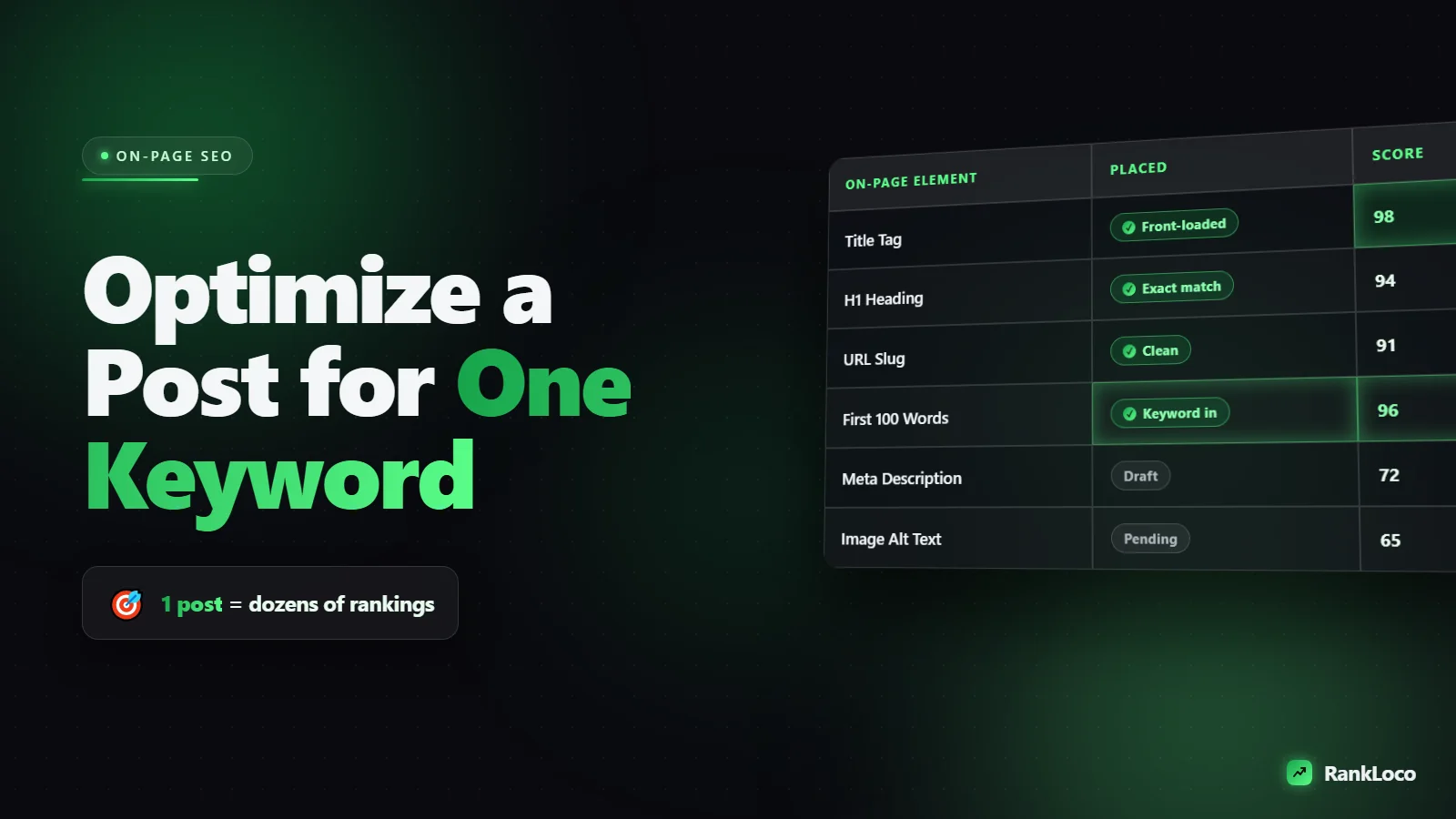
To optimize Shopify product pages for SEO, target one buyer-intent keyword per page, put it in the title tag, H1, URL handle, and first line of a unique product description, add product schema so you win rich results, and compress images with descriptive alt text so the page loads fast. Do that consistently across your catalog and you turn low-traffic product pages into search-driven revenue. Below is the full playbook, step by step.
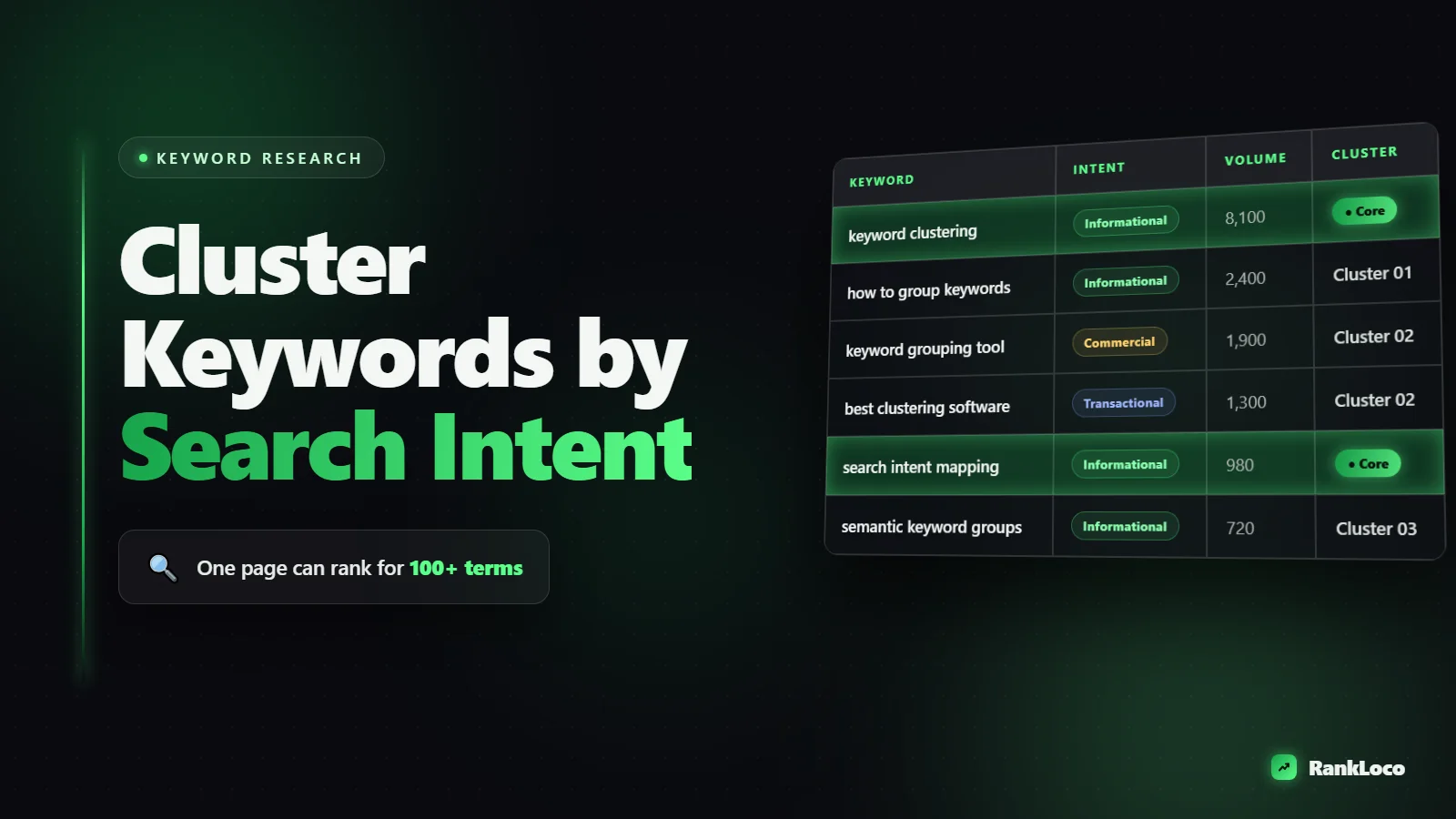
Start With Keyword Research That Matches Buyer Intent
Product pages should target commercial and transactional keywords, not informational ones. Someone searching "how to season a cast iron pan" wants a blog post. Someone searching "pre-seasoned cast iron skillet 12 inch" wants to buy. Your product page needs the second kind.
For each product, find the phrase a ready-to-buy shopper types. Use these sources:
- Google autocomplete and People Also Ask for real variations shoppers use. Our guide on finding long tail keywords using autocomplete and People Also Ask walks through this.
- Amazon and competitor titles to see the modifiers buyers care about (size, material, color, use case).
- Your Shopify search bar reports under Analytics, which show the exact words visitors already type on your store.
Pick one primary keyword per page plus two or three close variants. Do not stuff five products with the same keyword or they will compete against each other. If two products genuinely target the same phrase, check keyword difficulty and pick the stronger page to optimize while differentiating the other.
Write Title Tags and Meta Descriptions That Earn Clicks
Shopify auto-fills your title tag with the product name, which is almost never optimal. Edit it manually under the "Search engine listing" section on each product.
Formula that works: Primary Keyword + Key Modifier + Brand. Keep it under 60 characters so it does not truncate.
- Weak: "Skillet"
- Strong: "Pre-Seasoned Cast Iron Skillet, 12 Inch | LodgeCo"
For the meta description, write 140 to 155 characters that sell the click: lead with the benefit, include the keyword, and add a reason to buy (free shipping, warranty, in stock). This is your ad copy in the search results. For the full breakdown, see how to write title tags and meta descriptions that get clicks.
Fix Your Shopify Product URL Structure
Shopify forces the /products/ path and you cannot remove it, but you control the handle at the end. Clean it up.
- Edit the URL handle to be short and keyword-first: /products/cast-iron-skillet-12-inch not /products/copy-of-cast-iron-skillet-final-2.
- Remove stop words and random numbers Shopify sometimes appends.
- When you change a handle, Shopify creates a redirect automatically. Keep it. Do not delete old redirects or you will create 404s.
One Shopify quirk to watch: products assigned to a collection can generate duplicate URLs like /collections/kitchen/products/skillet and /products/skillet. Shopify usually canonicalizes to the clean /products/ version, but verify it in your source code. Duplicate URLs waste crawl budget and split ranking signals, which we cover in depth in fixing duplicate content issues on an ecommerce site.
Write Unique Product Descriptions (Not Manufacturer Copy)
The single biggest SEO mistake on Shopify stores is pasting the manufacturer's description onto every product. That copy exists on dozens of other stores, so Google has no reason to rank yours. Rewrite every description.
Structure each description like this:
- First sentence: include the primary keyword naturally and state what the product is and who it is for.
- Benefits, then features: lead with the outcome ("heats evenly for a perfect sear") then back it with specs ("1/4 inch cast iron walls").
- Use case and objections: answer the questions that stop people from buying. Sizing, compatibility, care instructions.
- Scannable format: short paragraphs plus a bulleted spec list. Nobody reads a wall of text on mobile.
Aim for 150 to 300 words minimum on important products. Thin descriptions rank poorly and convert worse. Write for the shopper first and the keyword second, and match the language to what the searcher actually wants.
Add Product Schema Markup for Rich Results
Product schema tells Google your price, availability, and star rating so it can show rich snippets in search. Those stars and prices increase click-through rate before a visitor even reaches your site.
Most modern Shopify themes (Dawn and other Online Store 2.0 themes) include product schema by default. Verify yours:
- Open a product page and view source, or run the URL through Google's Rich Results Test.
- Confirm it detects Product markup with name, price, availability, and (if you have reviews) aggregateRating.
- If schema is missing or incomplete, add it with a dedicated app or edit the theme's
product.liquid. No-code options exist too, covered in adding schema markup without a developer.
Genuine review stars are one of the strongest CTR boosters in ecommerce search. Collect reviews through a Shopify review app and make sure they feed into your aggregateRating markup. The same review-generation tactics that help product pages also help your local SEO through Google reviews if you have a physical store.
Optimize Product Images for Speed and Search
Product pages are image-heavy, and slow images kill both rankings and conversions. Every image needs to be compressed and labeled.
| Element | What to do |
|---|---|
| File name | Rename before upload: cast-iron-skillet-12-inch.jpg, not IMG_4821.jpg |
| Alt text | Describe the image with the keyword naturally: "12 inch pre-seasoned cast iron skillet on stovetop" |
| File size | Compress to under 150KB where possible; use WebP |
| Dimensions | Upload at the size you display; don't serve a 3000px image in a 600px box |
Shopify serves images through its CDN and can convert to WebP automatically, but oversized source files still hurt. Full tactics live in our guide on optimizing images for SEO and faster page speed. Fast pages also help Core Web Vitals, which feed into rankings.
Handle Variants and Out-of-Stock Products Correctly
Variants and inventory changes trip up a lot of Shopify stores.
- Variants (size, color): keep them on one product page under a single URL rather than creating a separate product for each. This consolidates ranking signals. Only split into separate products if people search for the variant specifically ("red leather sofa" vs "leather sofa").
- Out of stock but returning: keep the page live. Removing it deletes all the SEO equity you built. Add a back-in-stock notification instead.
- Discontinued permanently: 301 redirect the URL to the closest replacement product or its parent collection. Never leave it as a soft 404.
Add Internal Links and FAQ Content to Product Pages
Product pages should not be dead ends. Link them into your site's structure.
- Link from relevant blog posts to the product ("the skillet we recommend").
- Use "related products" and "complete the look" blocks to pass link equity between products.
- Link product pages up to their parent collection and back down.
Adding a short FAQ section on high-value product pages targets question keywords and can win People Also Ask spots. Answer the real pre-purchase questions: sizing, materials, shipping, returns. Learn how to structure these in our guide to writing FAQ content that ranks, and consider FAQ schema to support it.
Optimize Collection Pages Too
Collection (category) pages often rank for broader keywords than individual products ("cast iron cookware" vs "12 inch skillet"). Do not ignore them.
- Add a unique intro paragraph of 100 to 200 words at the top of each collection targeting the category keyword.
- Write a custom title tag and meta description for every collection.
- Set the URL handle to match the keyword.
Collection pages frequently outrank product pages for high-volume terms, so treat them as landing pages, not just filtered lists.
Shopify Product Page SEO Checklist
- One buyer-intent keyword chosen per product
- Title tag under 60 characters, keyword first, brand at end
- Meta description 140 to 155 characters with a reason to click
- Clean, keyword-first URL handle
- Unique description of 150+ words, benefits before features
- Product schema validated in Rich Results Test
- Review app collecting ratings that feed aggregateRating
- Images renamed, alt-texted, and compressed under 150KB
- Variants consolidated on one URL
- Out-of-stock pages kept live; discontinued ones 301 redirected
- Internal links from blog posts and related products
- Collection pages given unique intros and meta data
Track Your Product Page Rankings and Traffic
Optimization without measurement is guessing. Set up Google Search Console to see which queries your product pages already earn impressions for, then optimize toward those. Use RankLoco to track your target product keywords over time and run a technical audit that flags thin descriptions, missing meta tags, and duplicate URLs across your whole catalog at once. For a broader learning path, browse more SEO guides covering keyword research, technical audits, and link building.
Frequently Asked Questions
Is Shopify good for SEO out of the box?
Shopify handles the basics well: fast hosting, automatic sitemaps, mobile-responsive themes, and canonical tags. Its main limitations are the forced /products/ and /collections/ URL paths and default duplicate manufacturer descriptions. You still have to write unique content, custom meta tags, and schema to rank, but the platform is a solid foundation.
How long does it take for Shopify product pages to rank?
New product pages typically take 2 to 6 months to gain meaningful rankings, depending on competition and your store's authority. Low-competition, long-tail product keywords can rank in weeks. High-volume category terms take longer and usually need internal links and backlinks to move into the top positions.
Should I use an SEO app on Shopify?
An app helps with bulk editing meta tags, generating schema, and finding broken links, which saves hours on a large catalog. It will not write unique descriptions or do keyword research for you. Use apps to scale the technical work, but keep the strategy and content in your control.
How many words should a Shopify product description be?
Aim for at least 150 words on standard products and 300 or more on high-value, competitive ones. The goal is not word count; it is answering every buyer question and giving Google enough unique text to understand and rank the page. Never publish thin, copied manufacturer descriptions.
Do product reviews actually help SEO on Shopify?
Yes, in two ways. Reviews add fresh, unique, keyword-rich content to the page, and when fed into aggregateRating schema they can show star ratings in search results, lifting click-through rate. More clicks and richer content both support higher rankings over time.
Should I delete product pages for items I no longer sell?
Not immediately. If the item is coming back, keep the page live with a back-in-stock signup. If it is gone for good, 301 redirect the URL to the closest replacement or its parent collection so you keep the SEO value and avoid 404 errors that waste crawl budget.